
Natalie Conn, Salt ’07
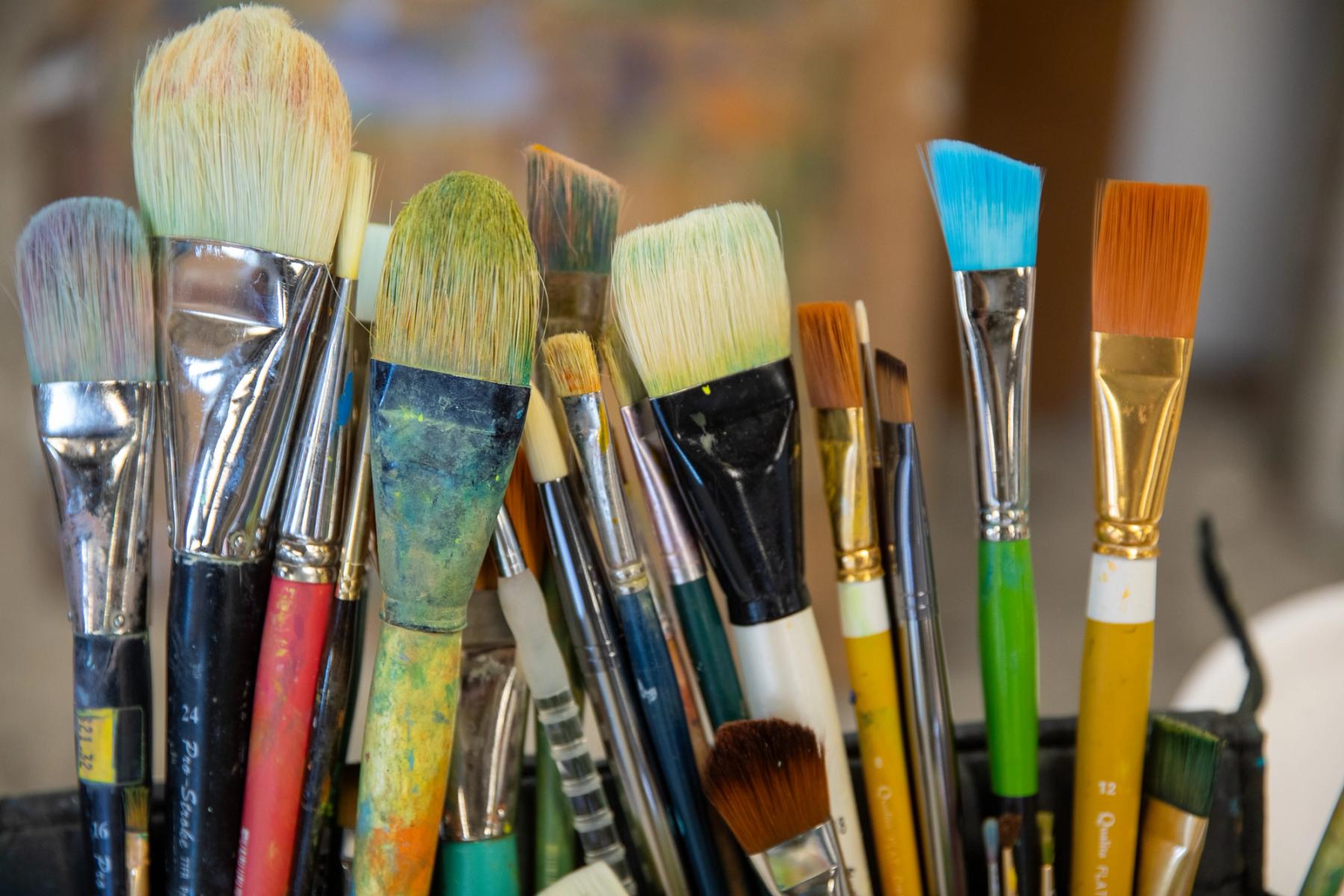
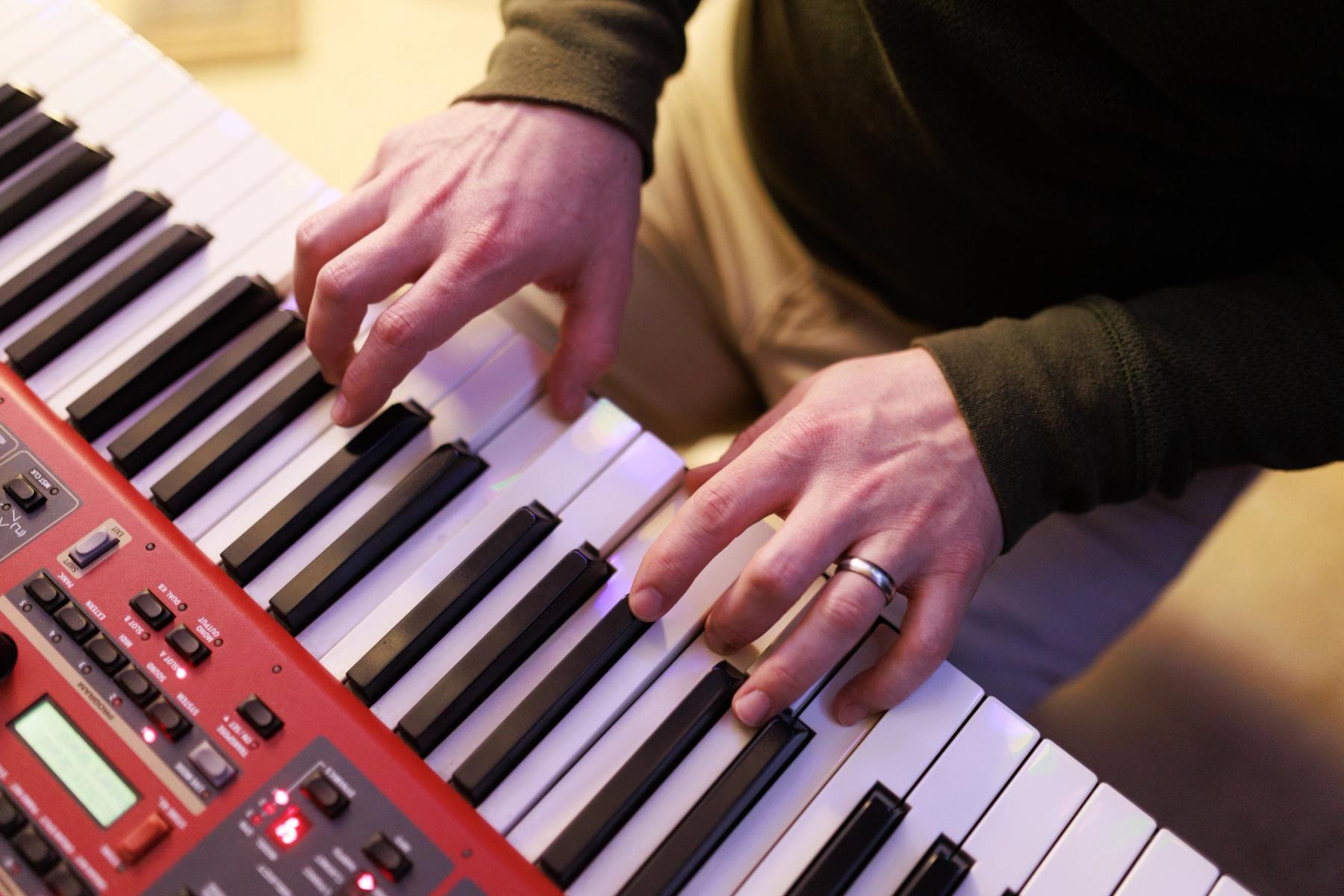
In recent years, neuroscientists and researchers have highlighted what many people have experienced for centuries: art, in its many forms, has a remarkable capacity to heal. “Whether through dance, song, writing, or painting, approached either as maker or beholder, health and well-being are enhanced by expressions of self, experience, imagination, and creativity,” indicates NeuroArts(1), an initiative of the Aspen Institute and Johns Hopkins University. Music, too, has been used widely in motor rehabilitation, from dance classes for people with Parkinson’s Disease to Portland-based MEDRhythms’ music-centered walking rehabilitation programs. It’s also being described as a cure for burnout. The Wall Street Journal (2) recently featured a number of craft retreats designed to help attendees unplug, connect with their creativity, and rejuvenate.
Daisy Fancourt, a professor of psychobiology and epidemiology at University College London, has researched the effect of the arts on people’s health for 15 years. In her book, Art Cure: The Science of How the Arts Save Lives, she calls engaging in the arts “the forgotten fifth pillar of health,” alongside diet, sleep, exercise, and nature.
Participants in culture-centered, community-based youth arts programs “experience joy, a sense of accomplishment, and a growth in confidence and significance through their engagement in the arts,” which in turn promotes “mental and physical health or the social dimensions of life satisfaction.” (3) People of all ages and stages of life can experience therapeutic effects from the arts. With all of these benefits in mind, how can we teach, learn, and live with the arts?
In September 2025, Maine College of Art & Design launched our first online programs, including a Graduate Certificate in Expressive Arts Therapy, which aims to make healing-centered, therapeutic learning more accessible. No matter how students arrive to the class—as teachers, therapists, artists, administrators, or retirees—their learning centers on the transformative power of the arts. Students learn the essential elements of a welcoming, resilient learning space and practice many ways to approach the arts therapeutically.
A healing-focused learning environment has many components, according to Annie Wadleigh, an Expressive Arts Therapy student and Associate Director of Development at MECA&D. Through class projects and journals, she and her peers explore and expand upon course materials, ranging from emotional safety to neuroscience. As a lifelong artist, Wadleigh is expanding her expertise, highlighting nonviolent communication, trauma-informed practices, and adaptability in both her personal and professional lives.
Natalie Conn, Salt ’07
Cortney Frasier, a Ph.D. student at Appalachian State University, supplements her already-busy schedule with classes at MECA&D, where she applies her experience as an artist, educator, and administrator. Sharing her concerns about the many students in her district facing difficulties and disconnection, she emphasizes how immediately applicable her learning has been, as she shares resources with local art teachers to make their classrooms feel more welcoming and grounding for students.
Both Frasier and Wadleigh credit instructor Therese Weisbrot with expanding their comfort zones through class assignments. Weekly creative journal assignments ask students to try new art forms and reflect on their emotional responses.
“It challenges you to really be in your body and to listen to it,” shares Frasier. “It’s helped me to grow as a leader, as an artist, and as a healer.”
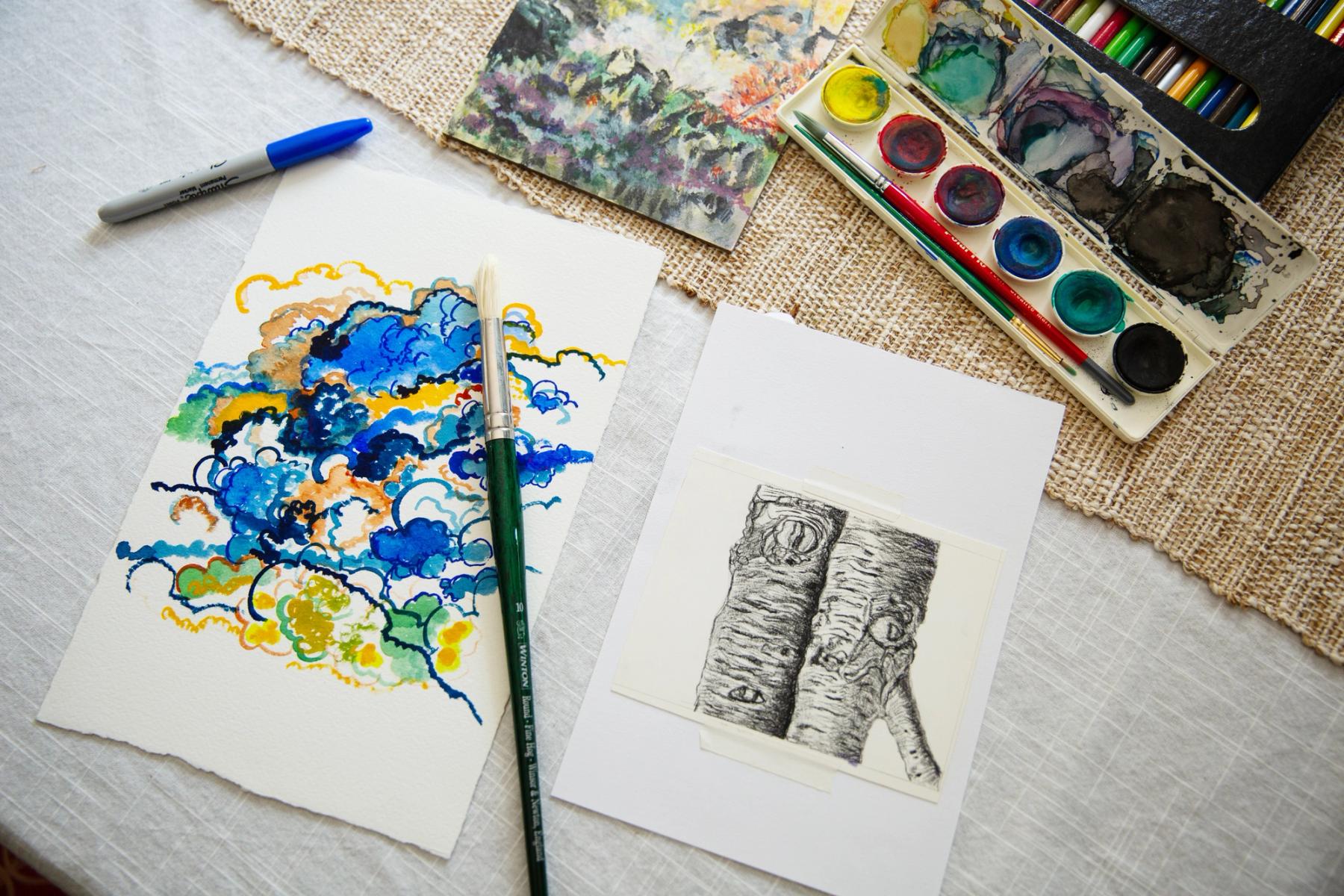
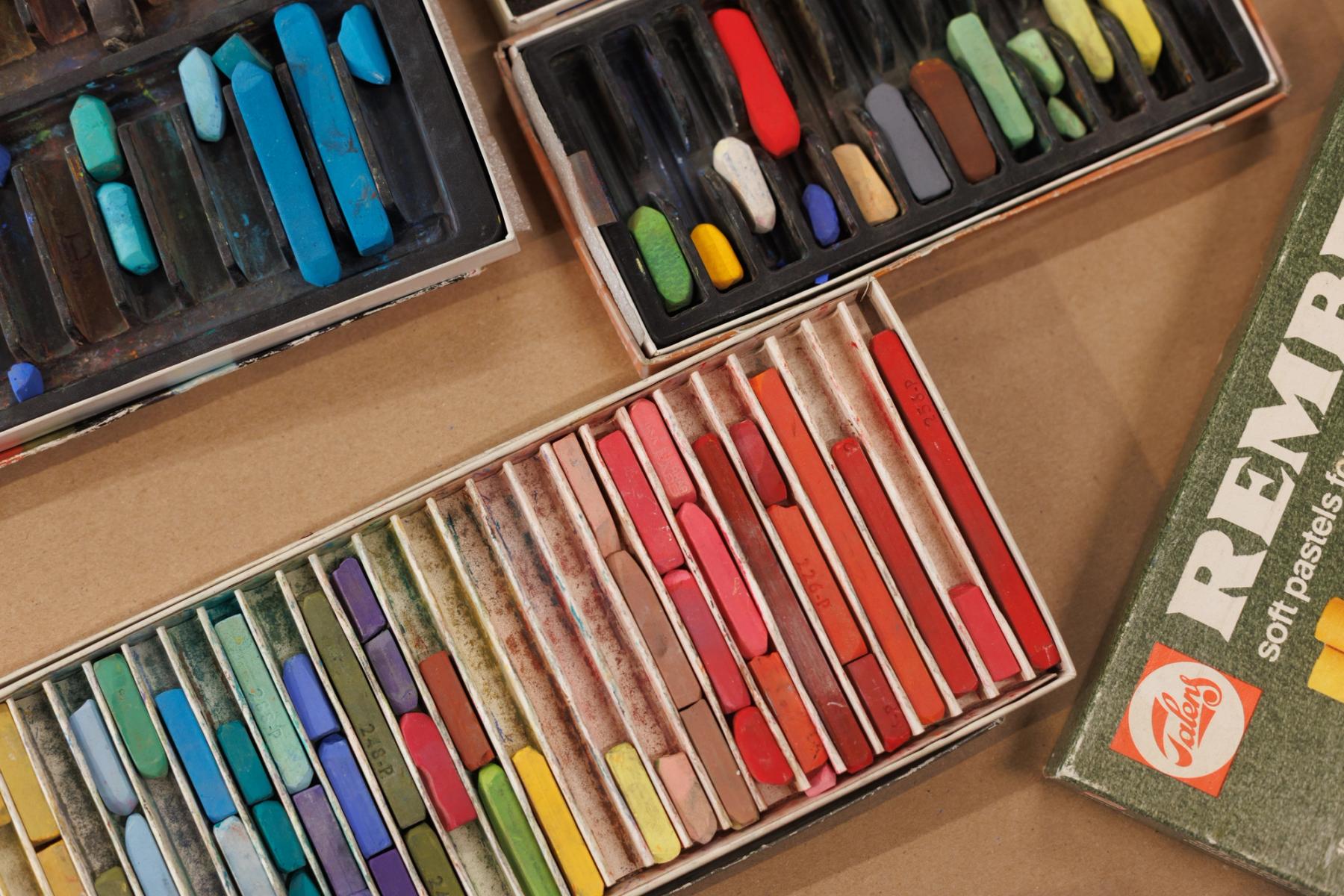
As an instructor in the Expressive Arts Therapy program, Weisbrot brings a clinical background to her teaching at MECA&D. Working primarily in medical settings, from dual-diagnosis clinics to children’s hospitals, she understands the weight of her practice. Even the simple offering of a paint palette or a ball of clay can help to relieve the acuity of a person’s stress.
“To me, the power of art to heal is in connection,” Weisbrot says thoughtfully. Much of that connection happens internally, but collaborative artwork is also fertile ground for therapeutic effects. She describes one client, a teen in end-of-life care, who felt isolated from loved ones because of her experience. Weisbrot describes how she and her client experimented with all kinds of art materials until they began building together with oven-bake clay.
Natalie Conn, Salt ’07
To me, the power of art to heal is in connection.
Starting with a lone, hand-sculpted angel in the center of a board, Therese’s client began inviting her friends, family, and medical staff to help her build a village around it. Before long, the board was filled with buildings, items, and other figures, and the client’s room was warmer with camaraderie, creativity, and immense care.
“The art and connection weren’t curative of her condition,” says Weisbrot. “But they were so incredibly healing.”
Part of teaching with expressive arts therapies in mind, Weisbrot says, means committing to making the art space safe, especially when the rest of a student’s world may not be. As her Expressive Arts Therapy students learn in their classes, there is no moment too small to be meaningful.
Regardless of their lives outside of her class, she recognizes that each student is there to support healing in some capacity. She hopes to remind them that they, too, can take the time to enjoy these therapeutic effects.
Above all, Weisbrot shares, is the reminder that healing, much like artmaking, is a lifelong practice.
Natalie Conn, Salt ’07

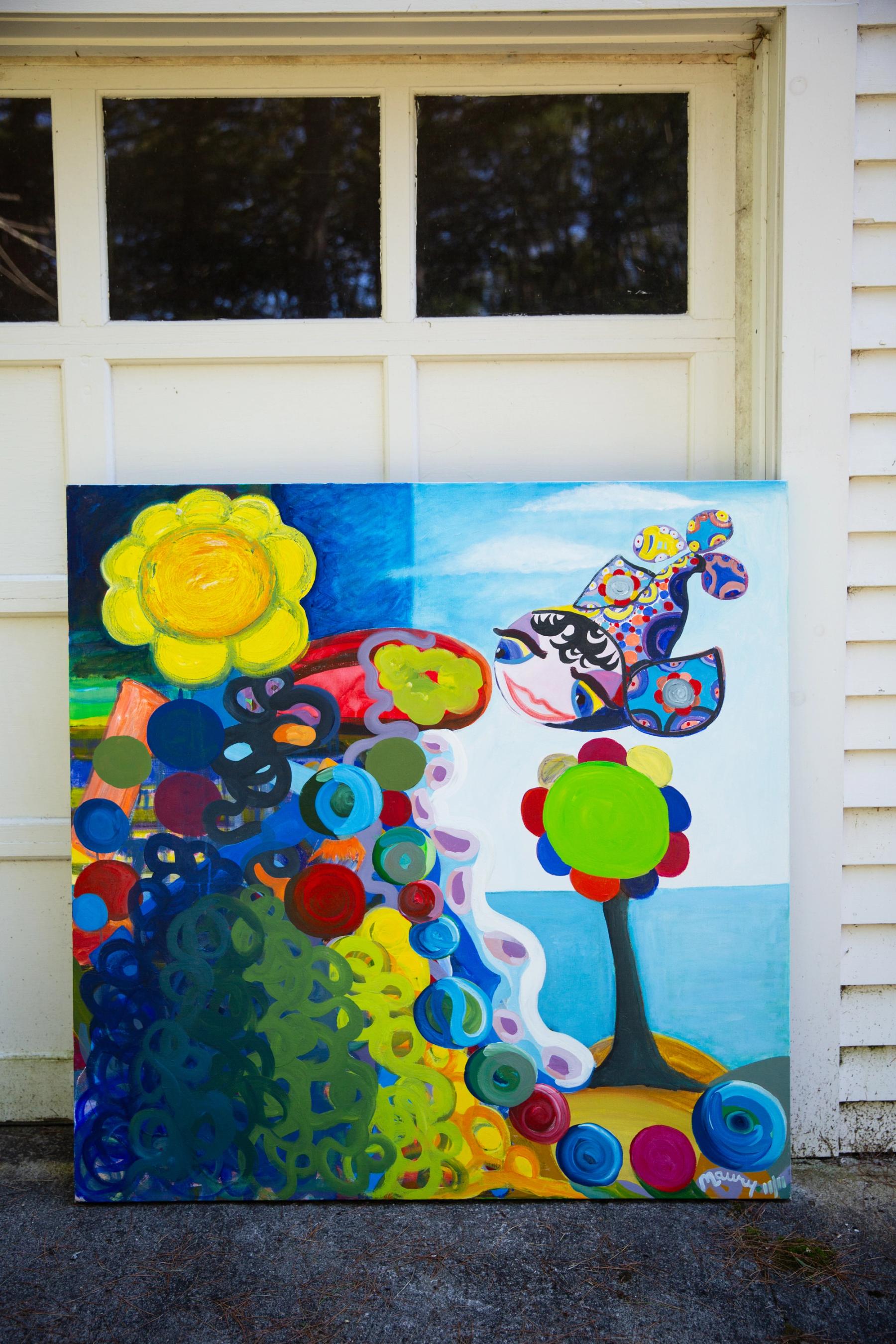
MECA&D's online Graduate Certificate in Expressive Arts Therapy program hosted a screening of Outsider, a documentary about painter Maury Ornest, whose life encompassed baseball, schizoaffective disorder, and art.
Words by Meier Clark. Images by Natalie Conn, Salt ’07 and Laura Ornest.
Footnotes
- "What Is Neuroarts?" NeuroArts, 2025.
- Jane Black. "Craft Retreats Are the New Burnout Cure," The Wall Street Journal, 2026.
- Esohe Osai et al. "Well-being and Well-becoming Through the Arts," Wallace Foundation, 2025.