ALT Master of Fine Arts

About
Whether you want to exhibit and lecture about your work, teach, write a book, create an artist-run collective, or something completely different, Our program is designed to encourage and support your path as you follow your work where it needs to go.

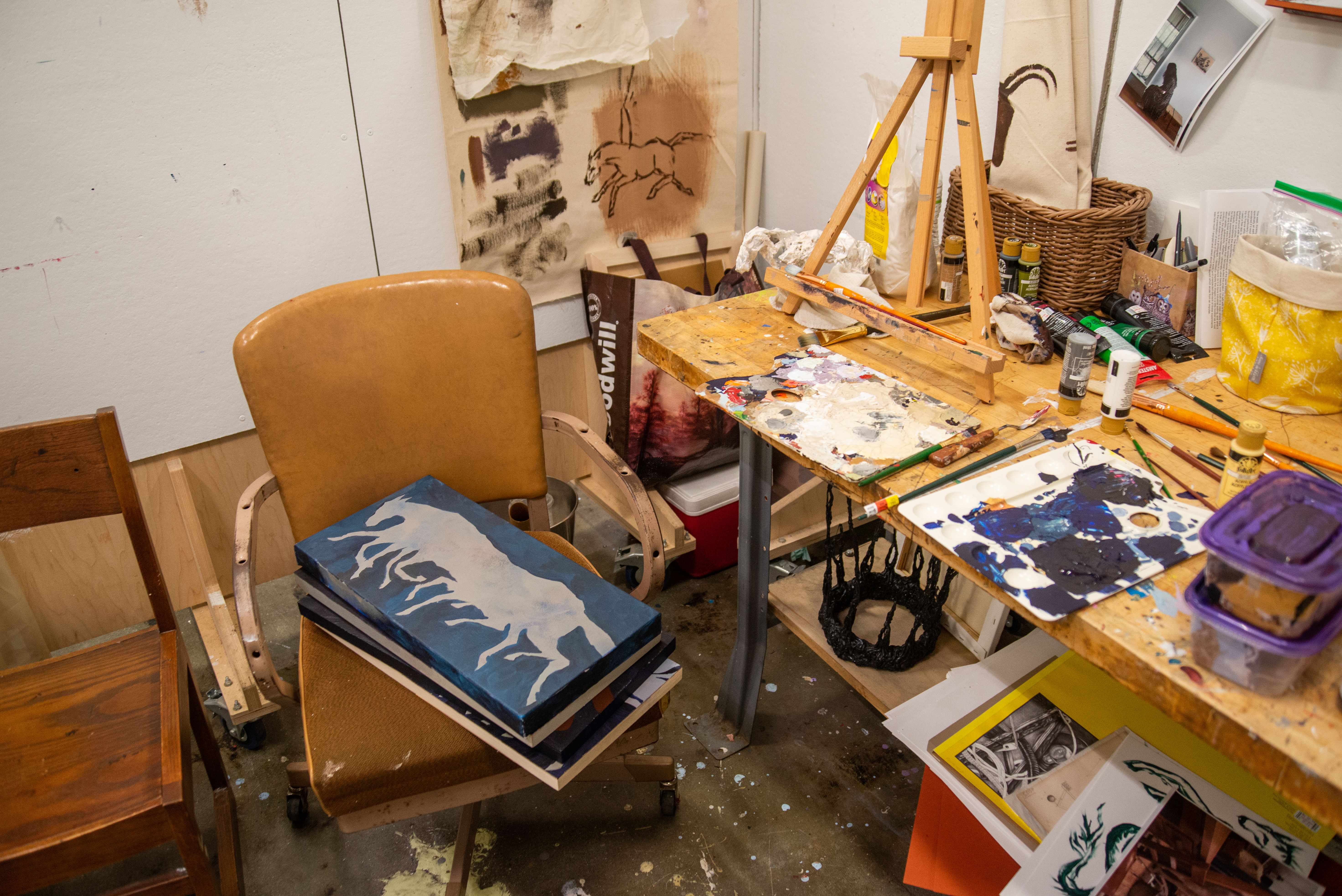

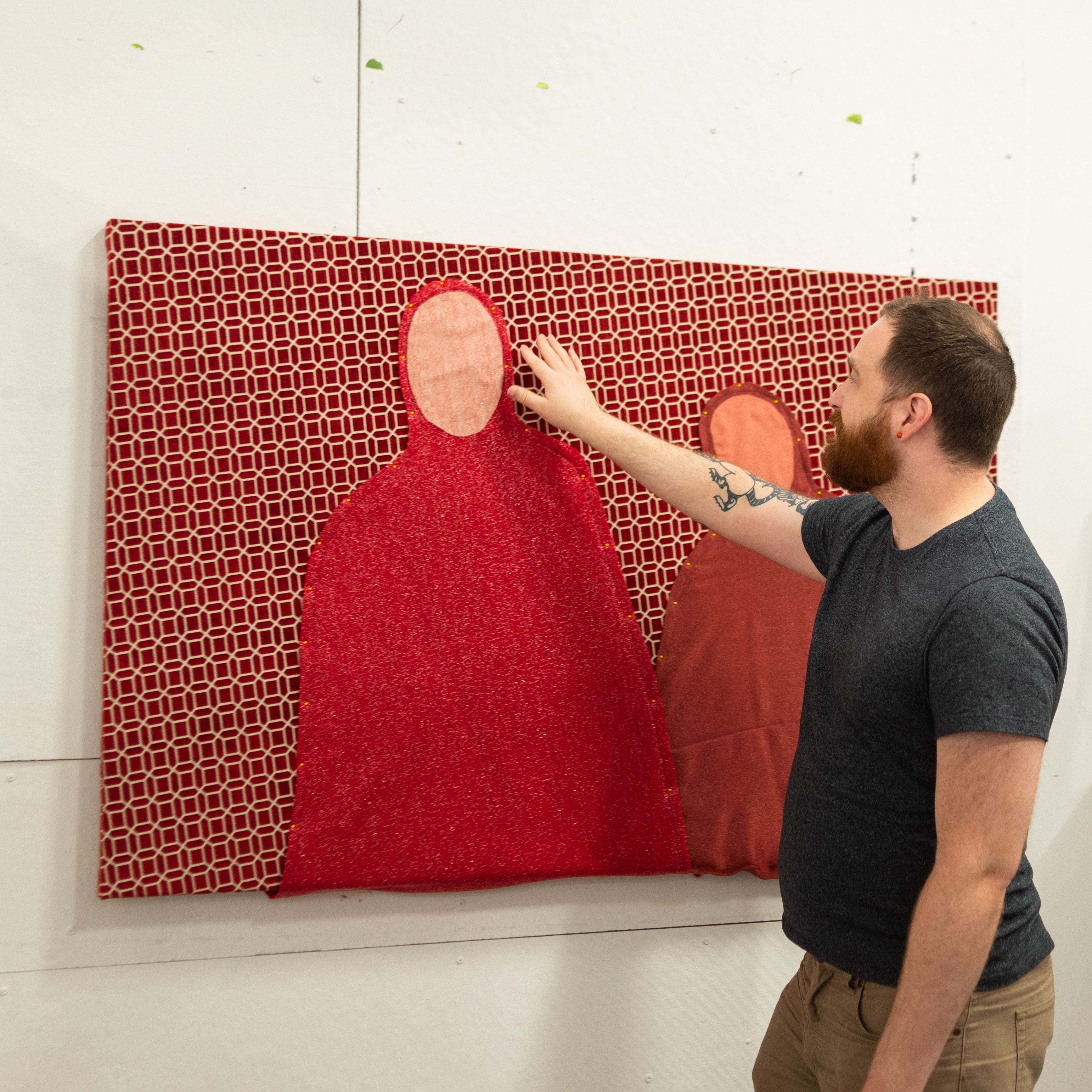



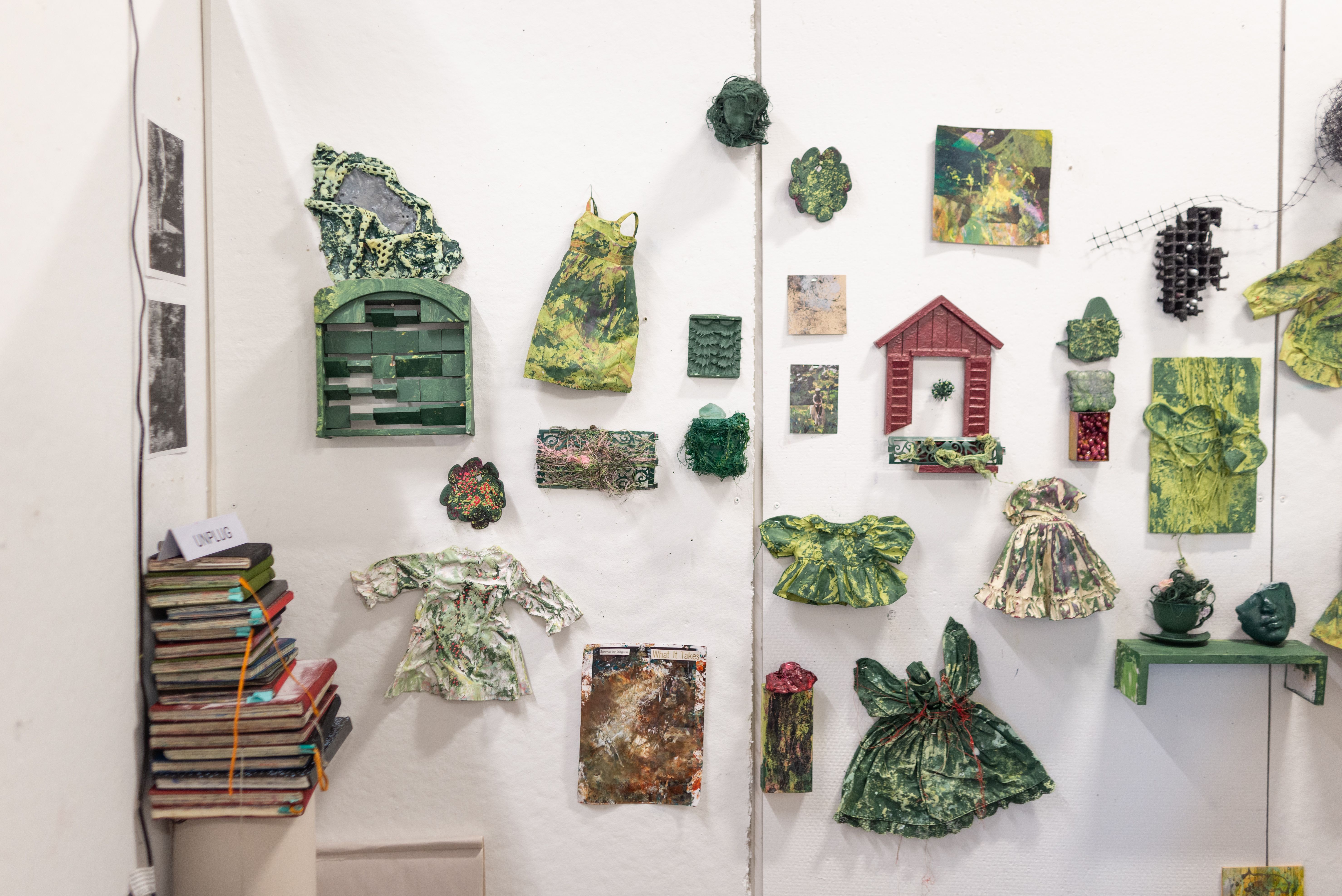
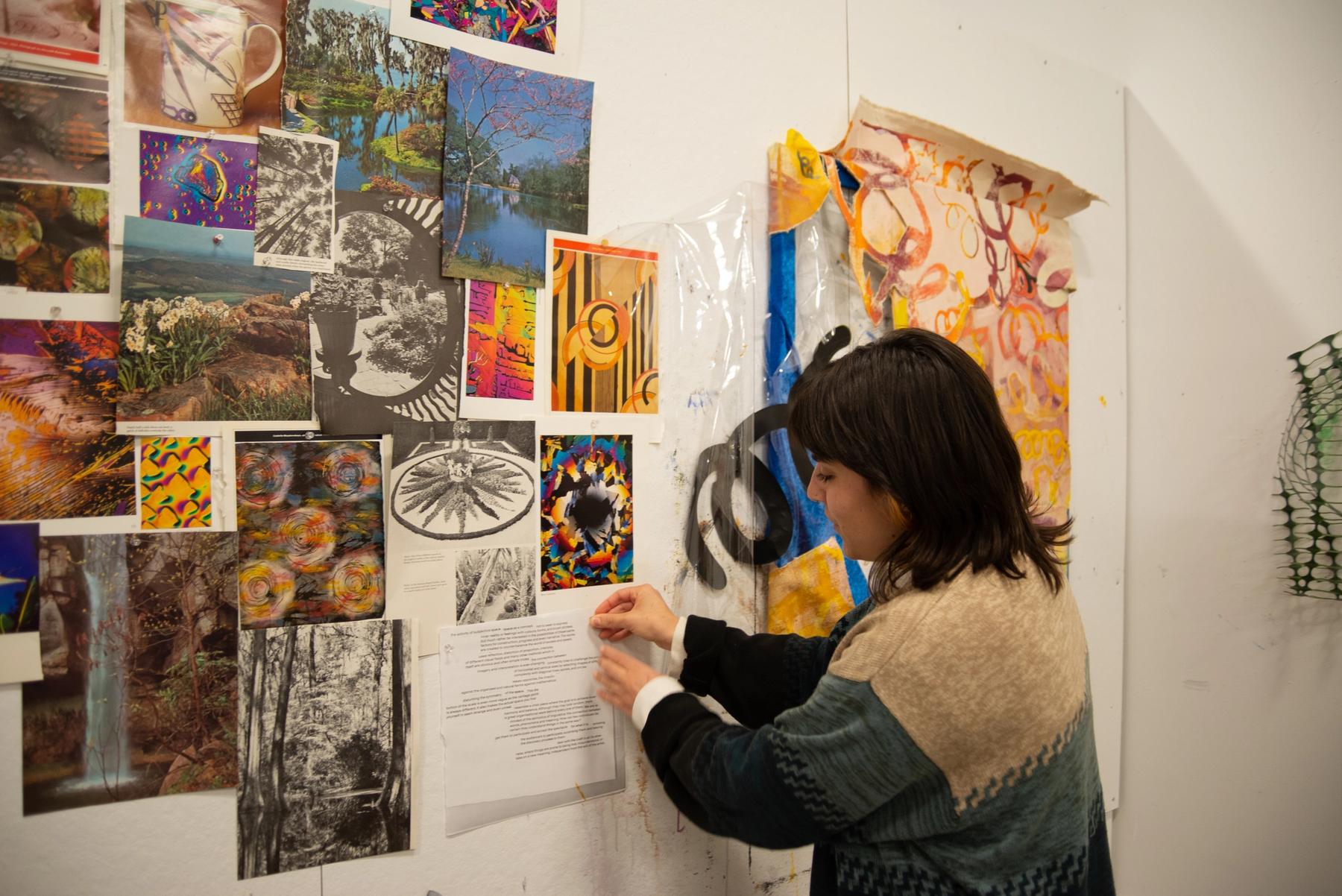
Working alongside renowned local, national, and international faculty, visiting artists and carefully selected graduate advisors, MFA candidates engage in a six-term curriculum that emphasizes the intersection of studio practice, individual research, and critical analysis.
Embedded into the MFA program is a level of flexibility—including both Low and Full Residency options, 24/7 access to our studio facilities, and graduate advisors wherever you choose to set up your studio practice; all of which allows us to tailor our support to your needs as they develop and change throughout your time here.
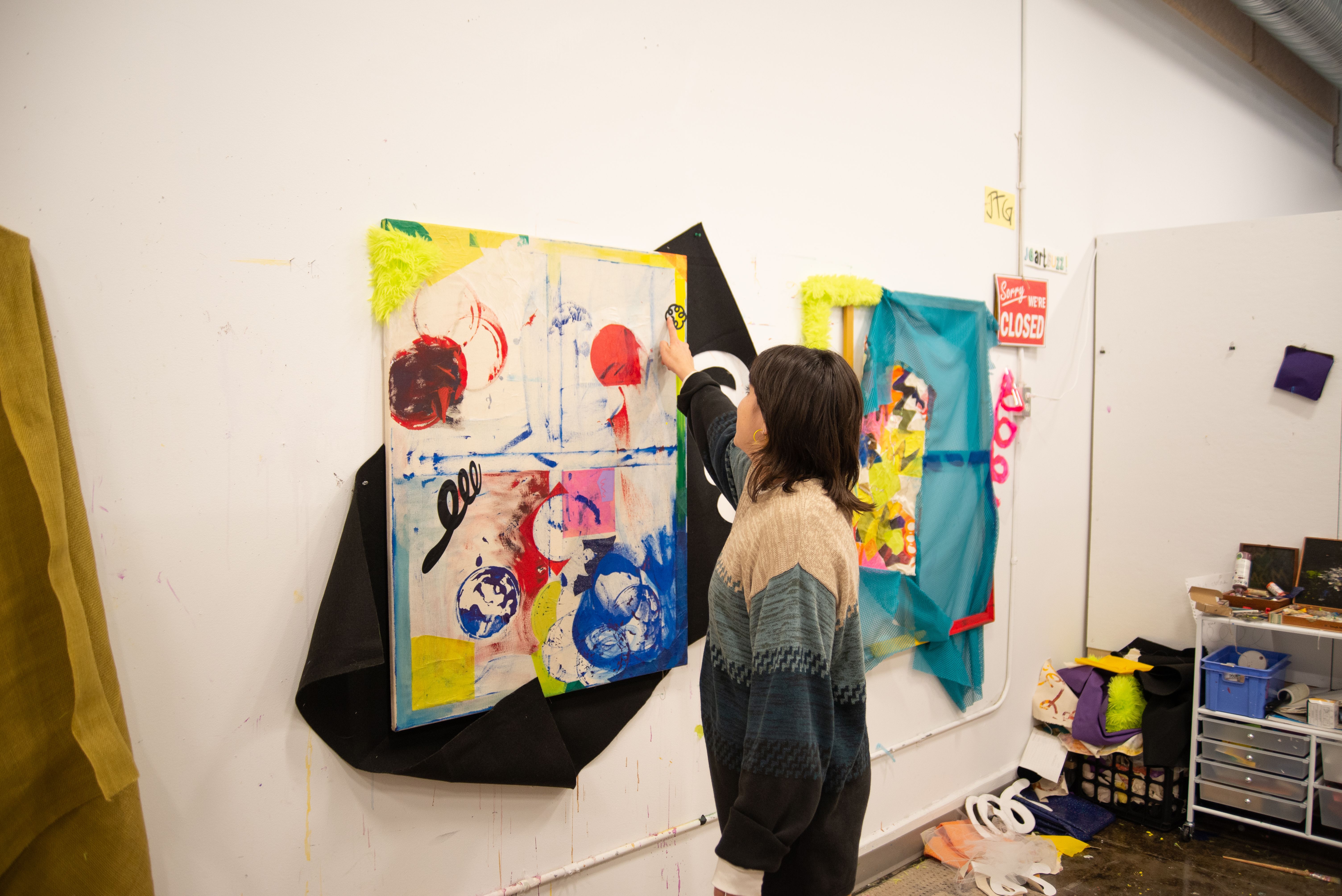
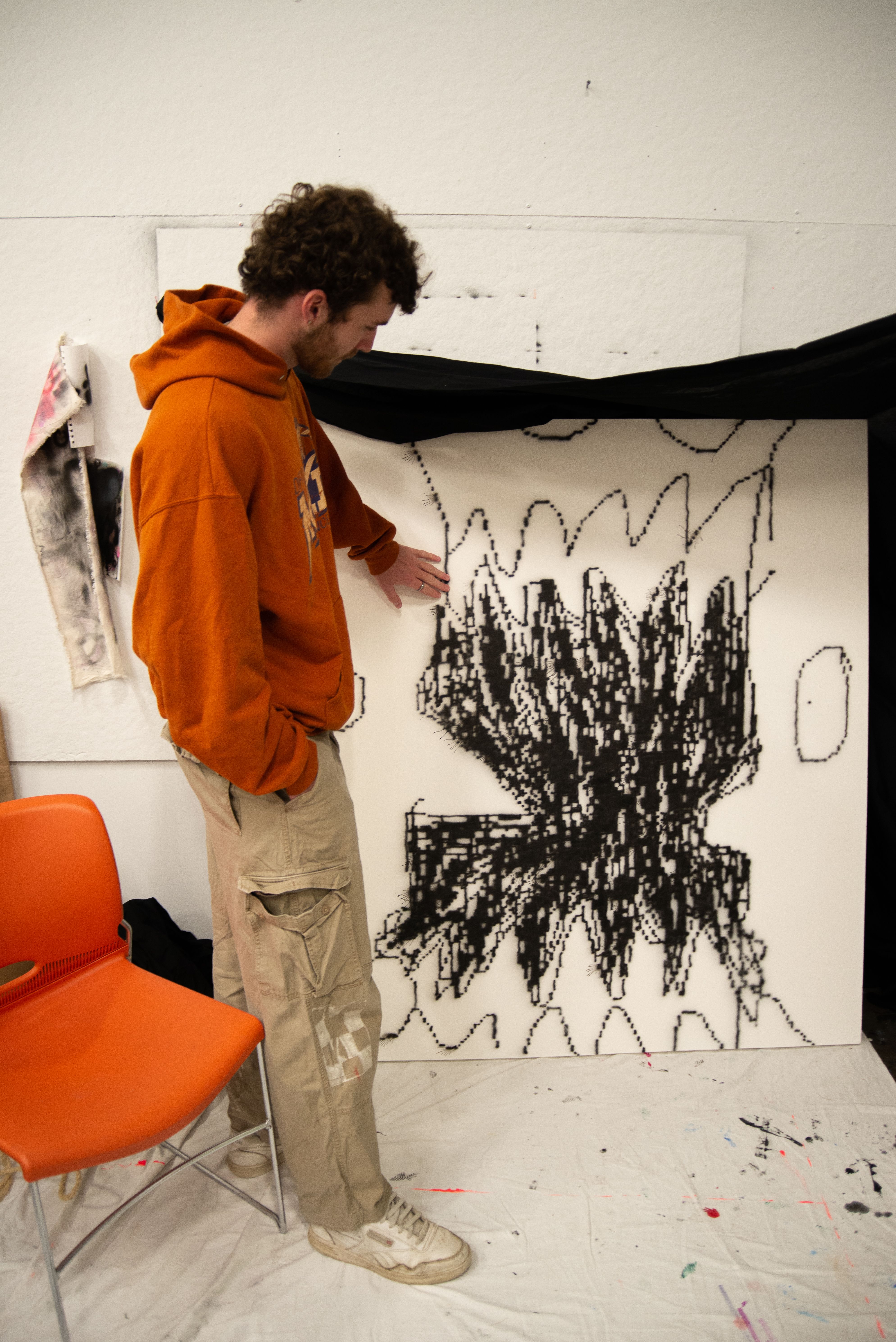
We offer a studio-based curriculum that creates a transformative learning experience for students. Graduate students in this program define a sustainable vision for their own art practice through individualized research, critical analysis, and curatorial experimentation.
Choosing Low or Full Residency
Crucial to your success as an artist is the ability to determine where to set up your studio. That is why we offer both Low or Full Residency options to our MFA candidates during our Fall and Spring terms.
Among the first programs of its kind in the United States, our Low Residency option combines intense periods of on-campus instruction with the freedom and independence of working from any home location, anywhere in the world. Full Residency means that you take classes in person with your peers and have access to all the available facilities at the College.
Whether you opt for the Low or Full Residency path, you'll have access to the same classes, group and individual work opportunities.
If your needs change from one year to the next, you may choose to switch between Low or Full Residency at that time. We collaborate with you to determine and arrange what best supports your creative work and future aspirations.
Reasons to choose Low Residency
- Ability to maintain current life arrangements while completing the program
- Access to carefully selected graduate studio advisors in your area
- Influences on your work that are site or geographically-specific
- Chance to set up a studio and build a community where you ultimately want to be
Reasons to choose Full Residency
- 24/7 access to private studios and staffed fabrication facilities
- Ability to work alongside peers and with local faculty
Two-Year Curriculum Outline
Year One
Your first year is designed to help you explore new techniques and research ideas. Providing a framework to develop vocabularies and broaden resources to support your work.
Summer Intensive: Context
8 weeks
The Summer Intensive runs in Portland, from mid-June to early August. All Low and Full Residency students attend.
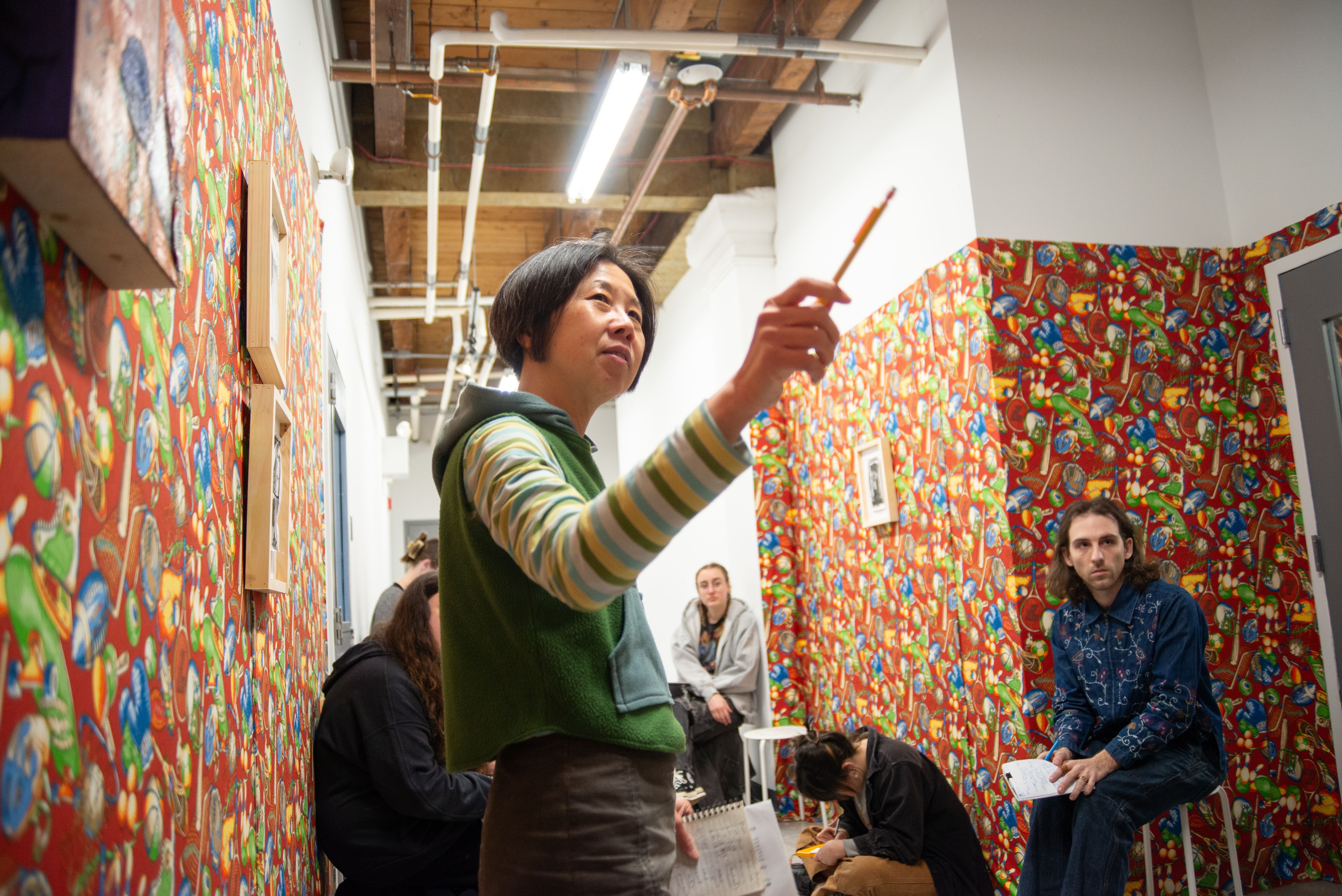
The academic year starts in June with an on-campus Summer Intensive focused on creation, critique, and experimentation with weekly feedback from peers, faculty, and Visiting Artists. Experience two hour-long group critiques, attend lectures, and participate in Visiting Artist interviews as well as peer critiques. Full and Low residency students reside in Portland for this term.
- Studio I
- Studio Seminar I
- Studio in Context: Applied Theory and History
Fall Term
15 weeks
Low Residency students work from their home studio and Full Residency students work on campus in Portland.
During Fall term, your pace of study will slow down from summer to let you become deeply immersed in making, thinking, and critiquing around your studio practices. Full residency students have the opportunity to work as Teaching Assistants during the Fall term.
- Studio II
- Studio Seminar: Research Methodologies (online)
- Studio in Context: Views on Contemporary Art (online)
Winter Intensive, December (online, full cohort)
Permission to proceed to Spring Term from MFA Chair
Spring Term
15 weeks
Low Residency students work from their home studio and Full Residency students work on campus in Portland.
The Spring term continues your studio practice immersion, with continued engagement and support around your art. Full residency first-year students have the opportunity to work as Teaching Assistants during the Spring term.
- Studio III
- Studio Seminar: Studio Writing (online)
- Studio in Context: Approaches to Critical Theory (online)
Winter Intensive: December and January Presentations (online, full cohort)
March NYC Studio Research Trip (full 1st Year cohort)
Permission to proceed to 2nd Year from MFA Chair
Year Two
Bring together ideas and influences across your practice. Through studio visits and presentations you'll create and refine language that reflects what is important to your work and your viewers.
Summer Intensive: Convergence
8 weeks
The Summer Intensive runs in Portland, from mid-June to early August. All Low and Full Residency students attend.
- Studio IV
- Studio Seminar IV
- Studio in Context: Critical Writing
Fall Term: Convergence
15 weeks
Low Residency students work from their home studio and Full Residency students work on campus in Portland.
- Studio V
- Studio Seminar: Professional Practices (online)
- Studio in Context: Thesis Proposal (online)
International Studio Research Trip (full 2nd Year cohort)
Winter Intensive, December (online, full 2nd Year cohort)
Spring Term: Synthesis
15 weeks
Low Residency students work from their home studio and Full Residency students work on campus in Portland.
- Studio VI
- Studio Seminar: Thesis Exhibition (online)
- Studio in Context: Thesis Composition (online)
May Intensive (on campus, full 2nd Year cohort)
Permission to graduate from MFA Chair
Cultural Exposure
One of the biggest myths about making art is the solo, artistic genius. But no artist acts entirely alone. The best work comes from research and dialogue. Artists benefit from collaborating with others and collectively working to elevate the field of art.
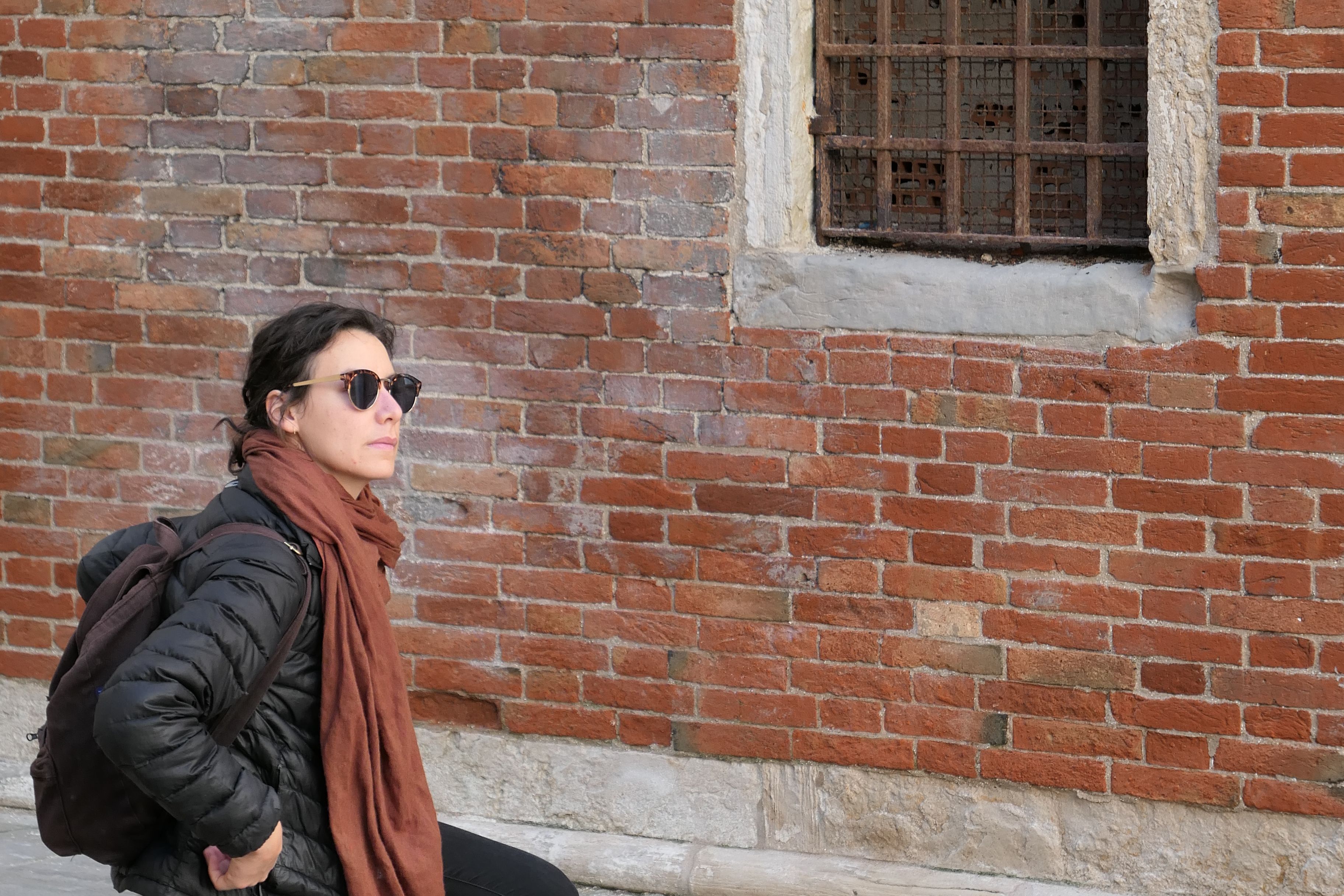
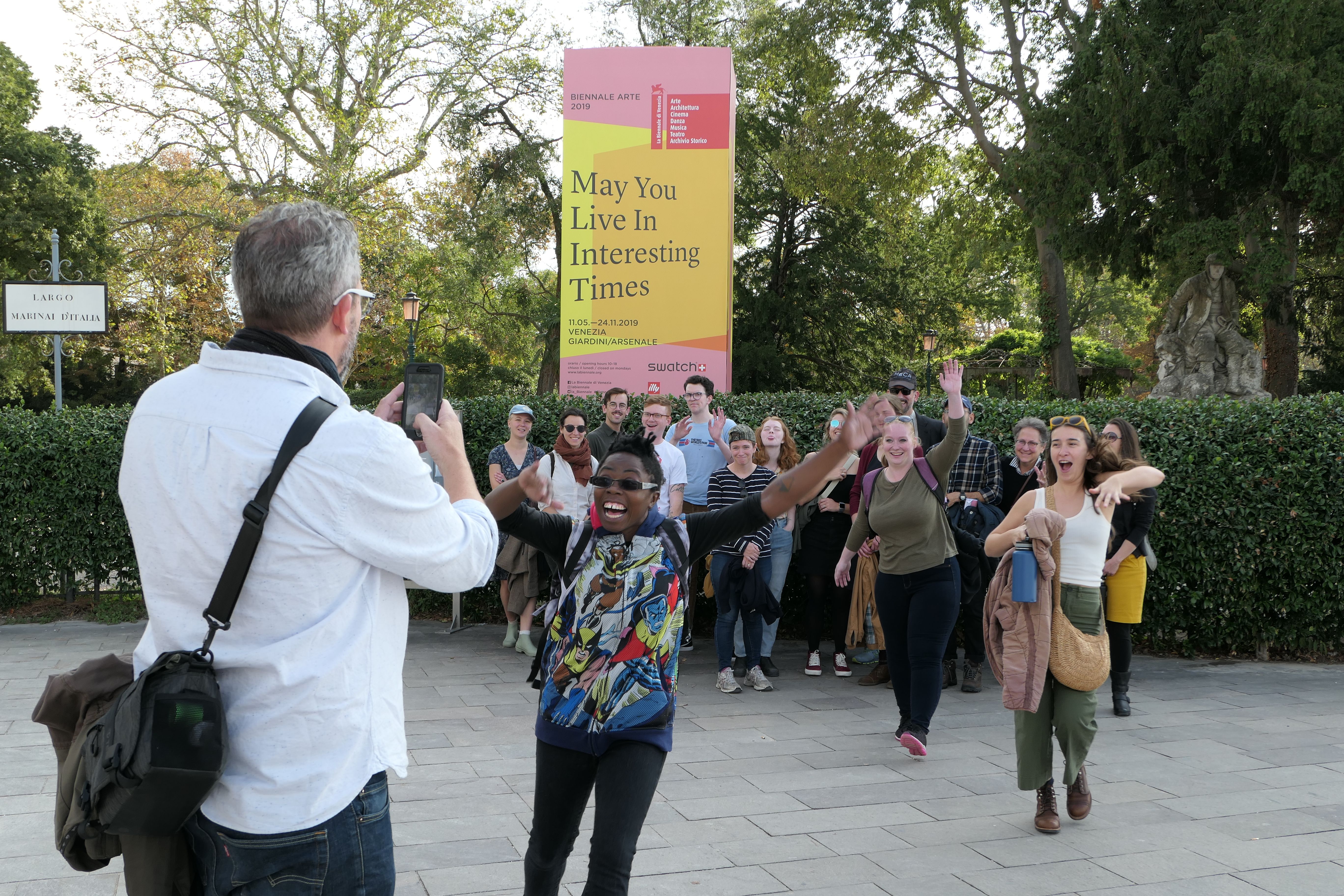
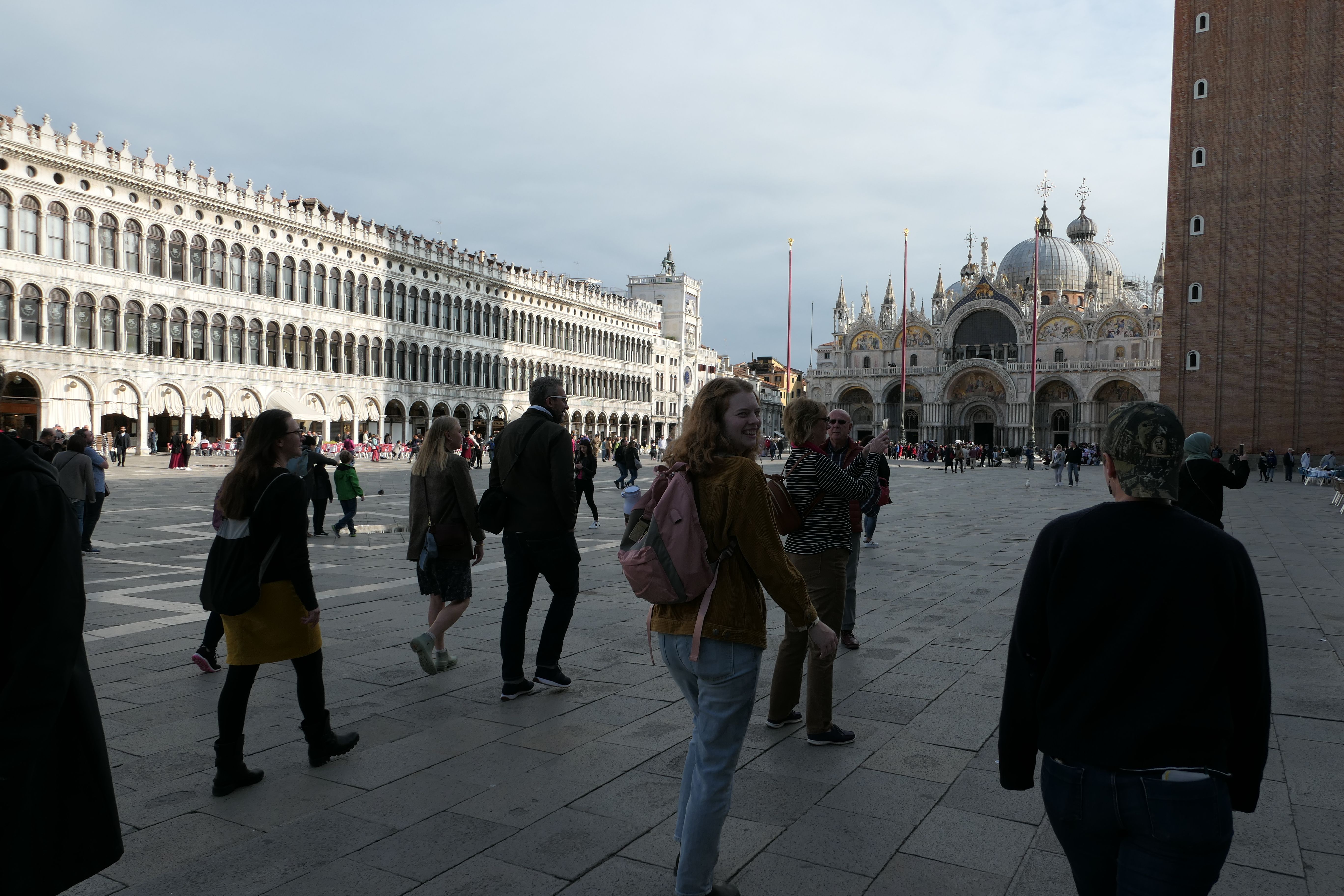
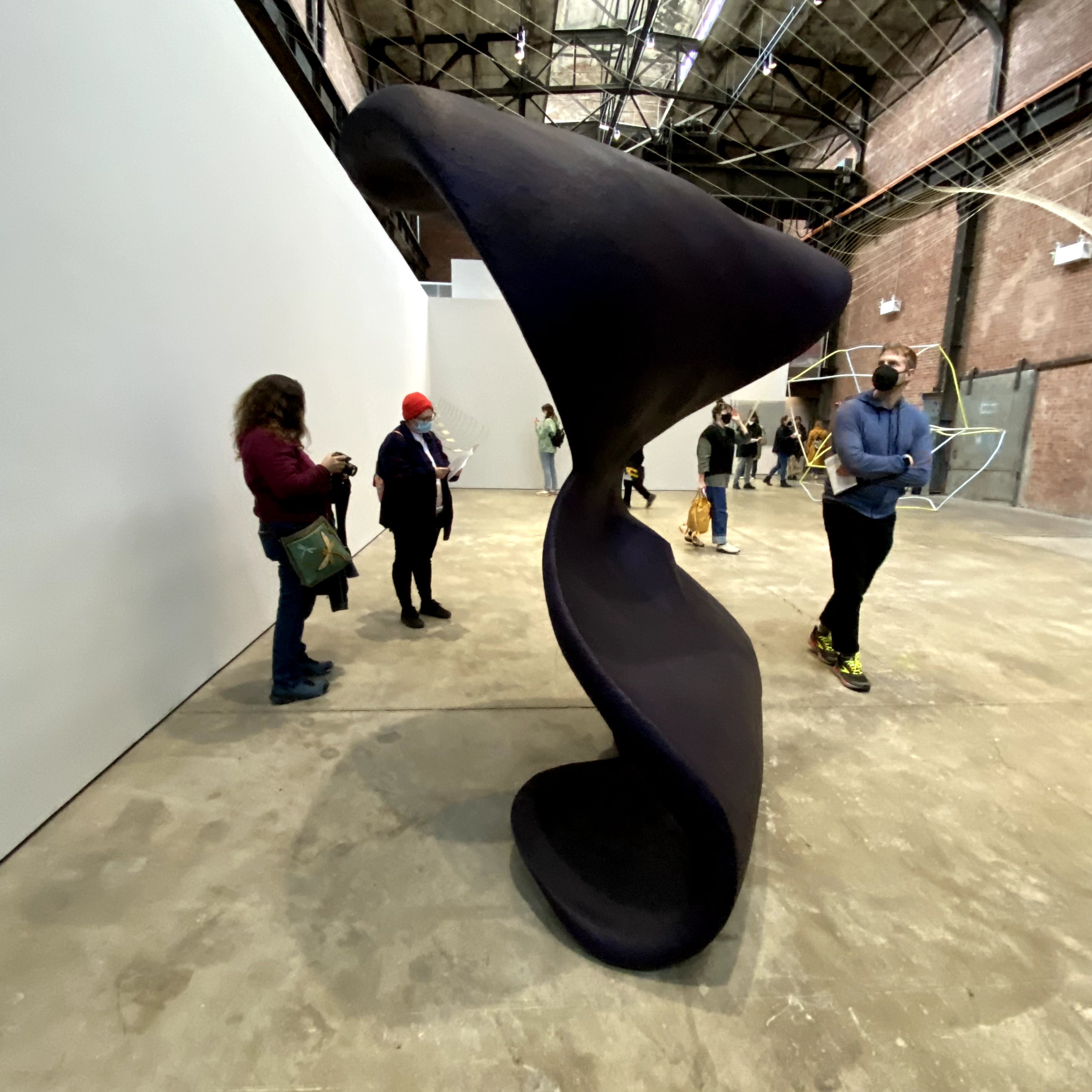
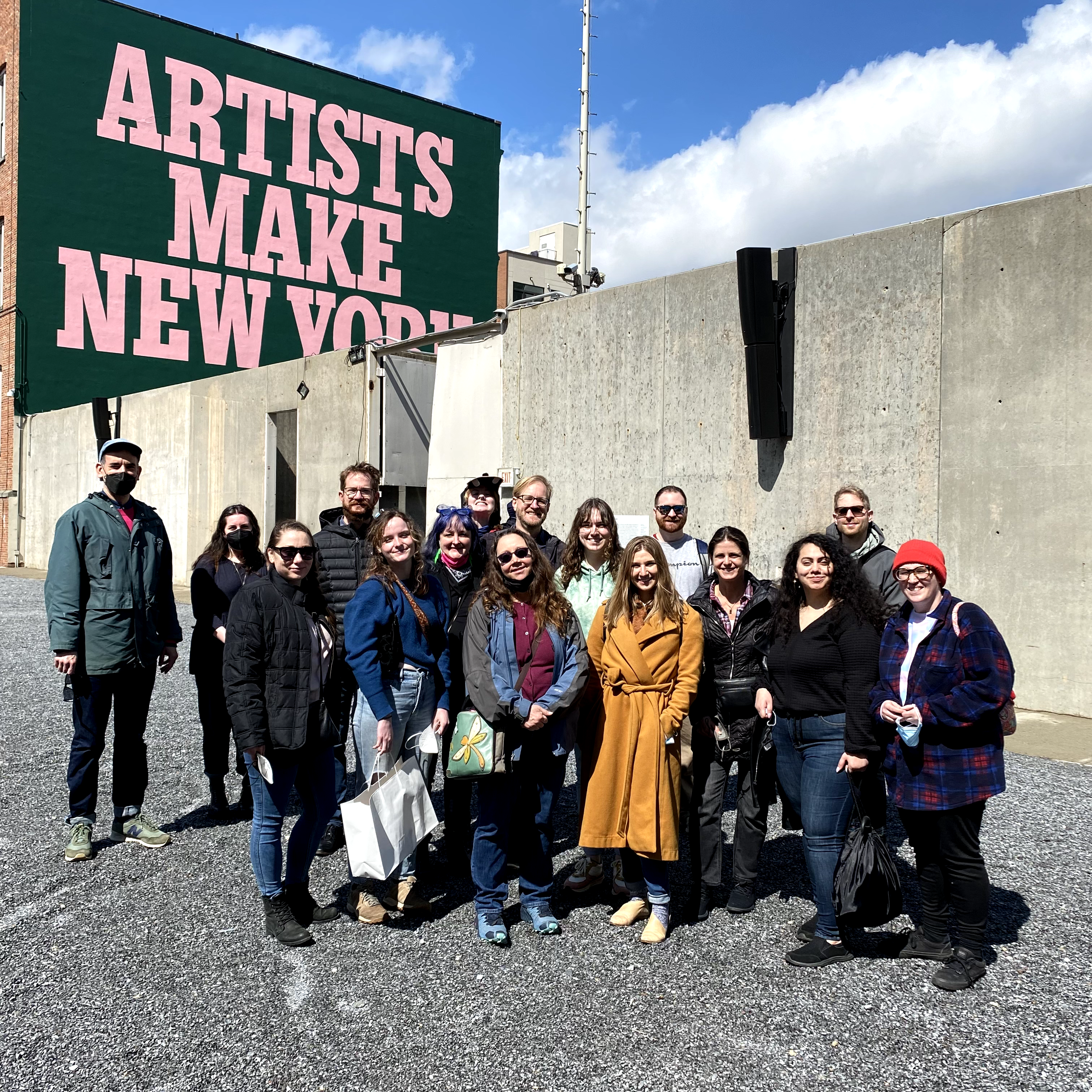
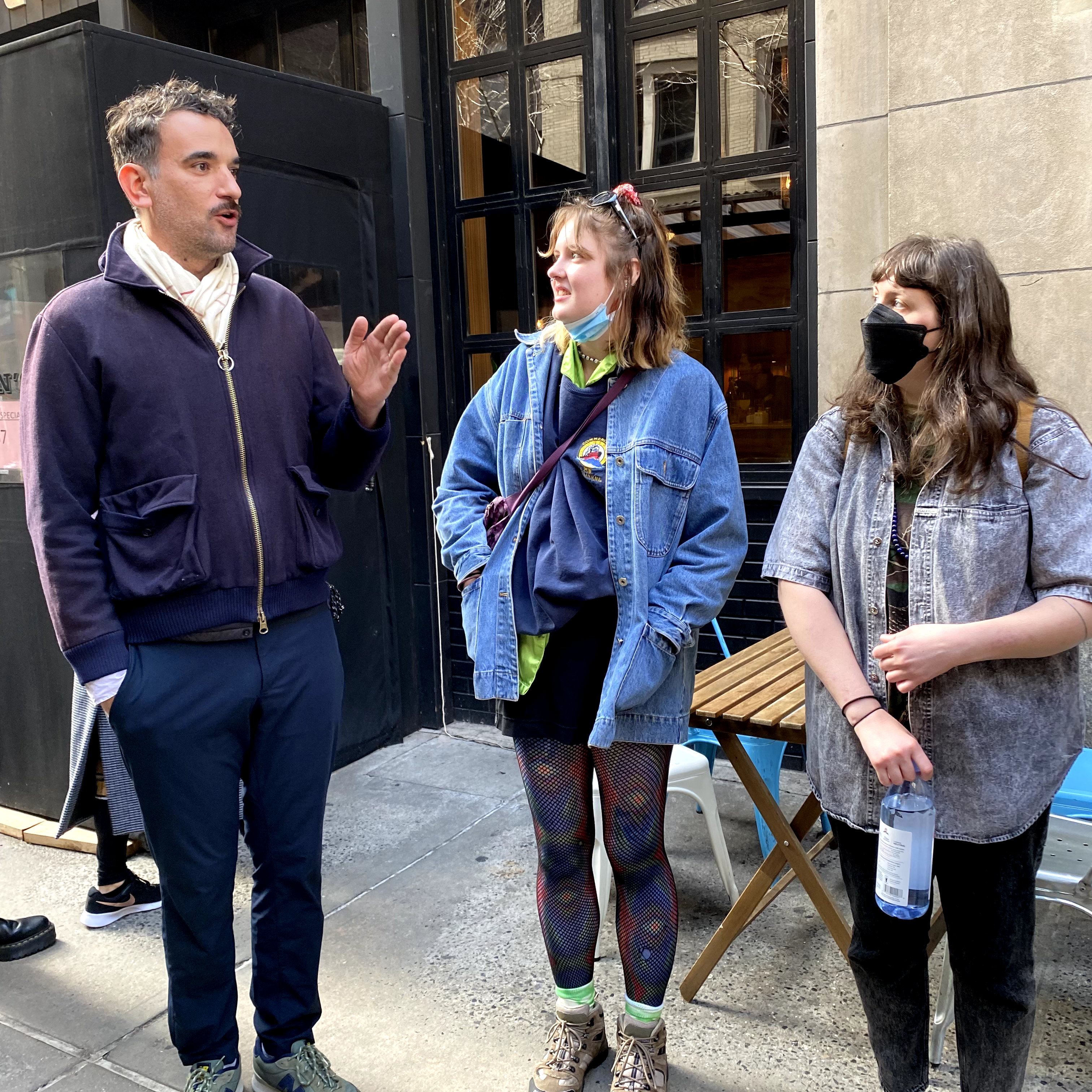
To encourage this exposure to and engagement with the broader global community of contemporary artists, each MFA cohort has an opportunity to travel together to visit exhibitions and participate in self-guided research.
Past cohorts have traveled to:
- Venice, Italy
- Berlin, Germany
- London, UK
- Montreal, Canada
- Philadelphia, PA
- San Francisco, CA
- New York City, NY
- Boston, MA




Thesis & Exhibition
Upon completion of the program, you will walk away prepared for pursuit of future artistic endeavors and contribution to cultural dialogue. A copy of your thesis project will live on in the Joanne Waxman Library for future artists and designers to explore, learn from and refer to.
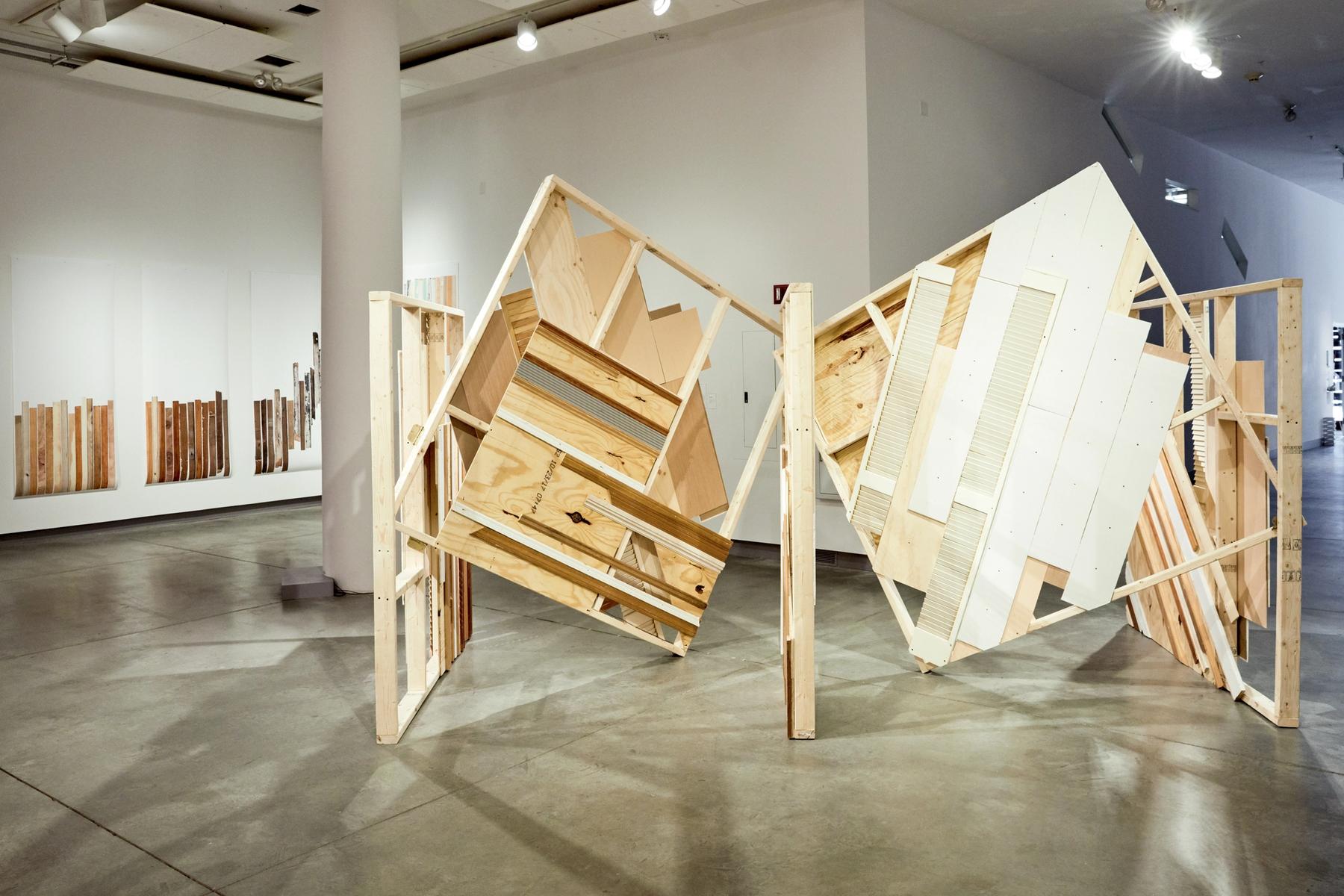
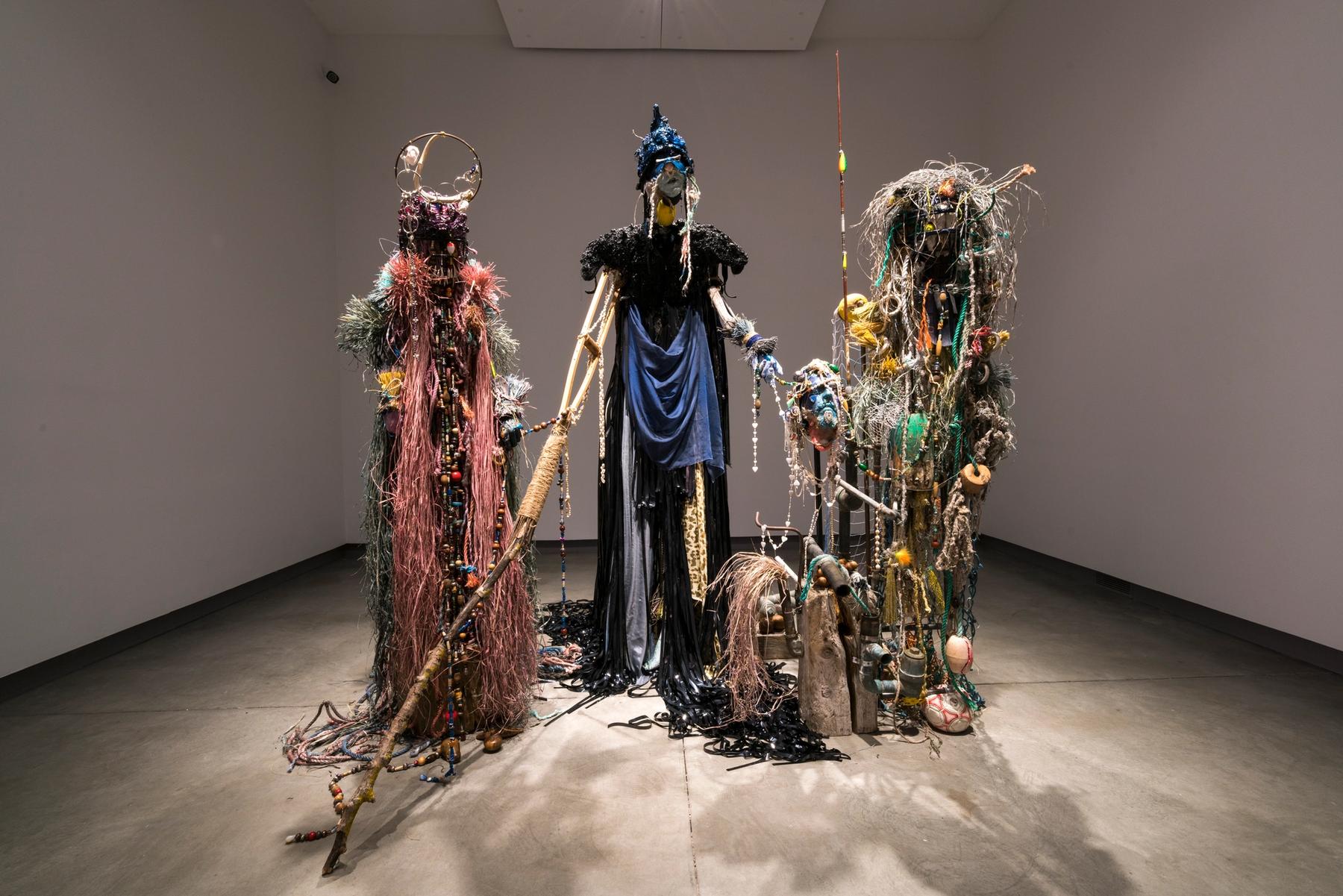
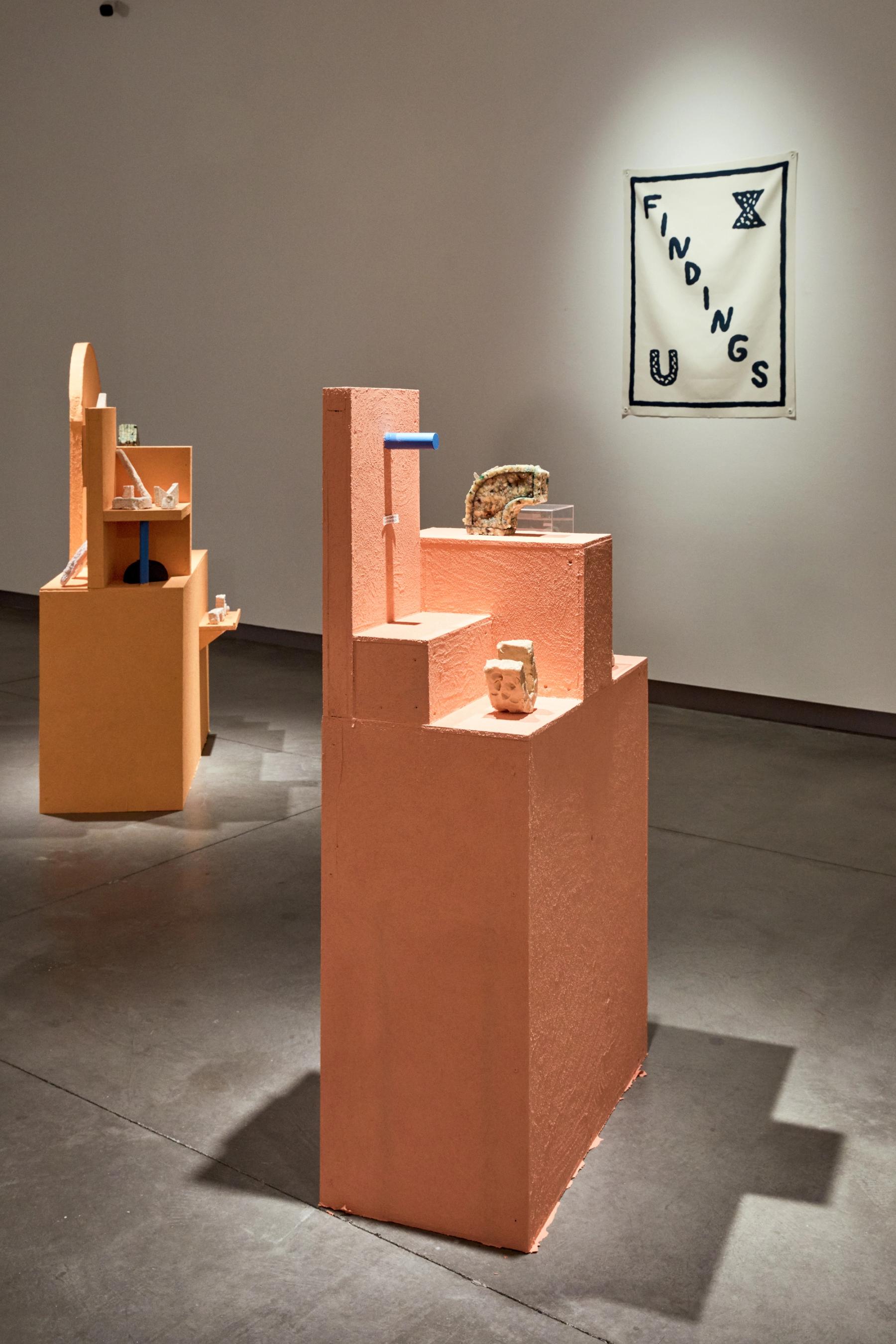
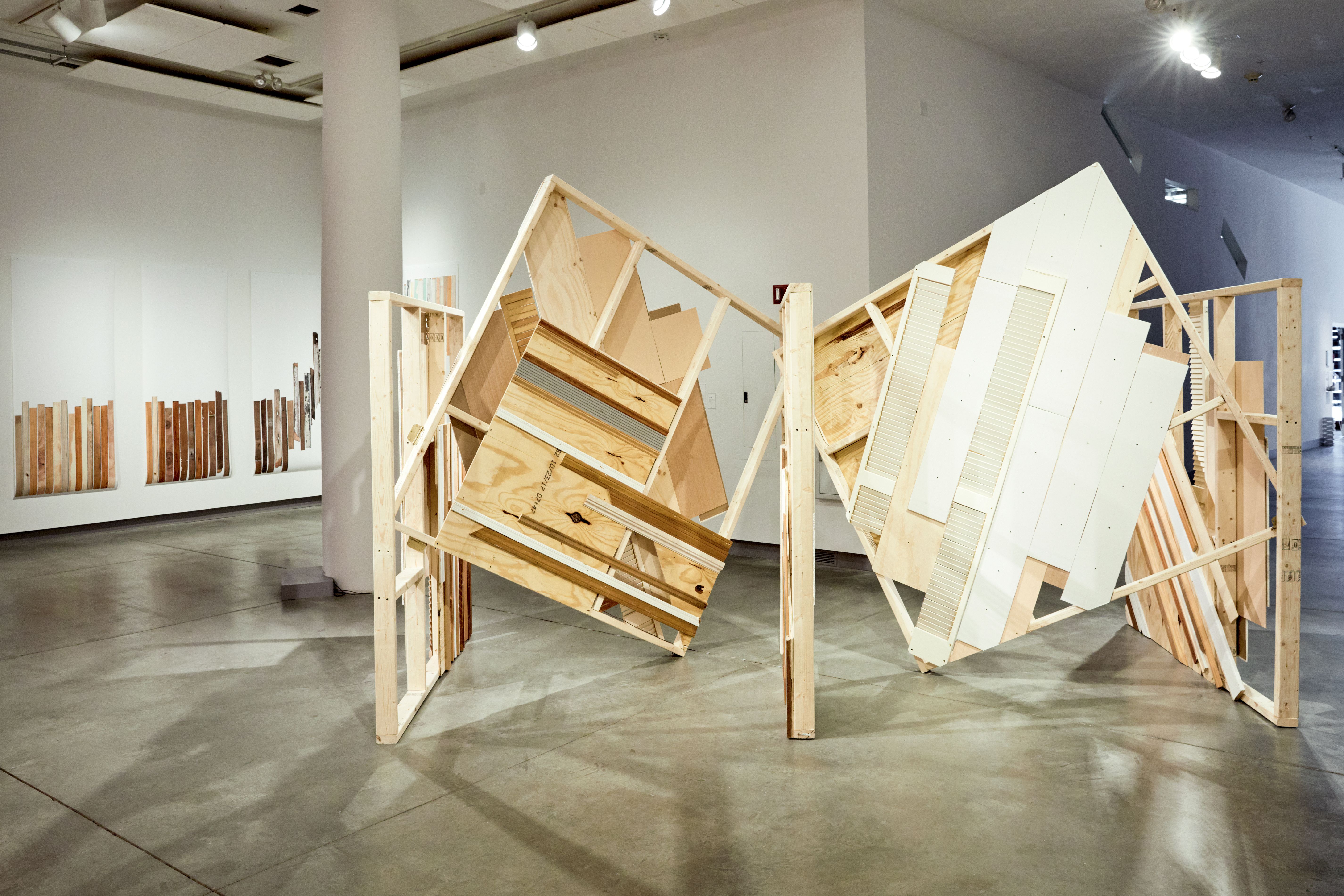
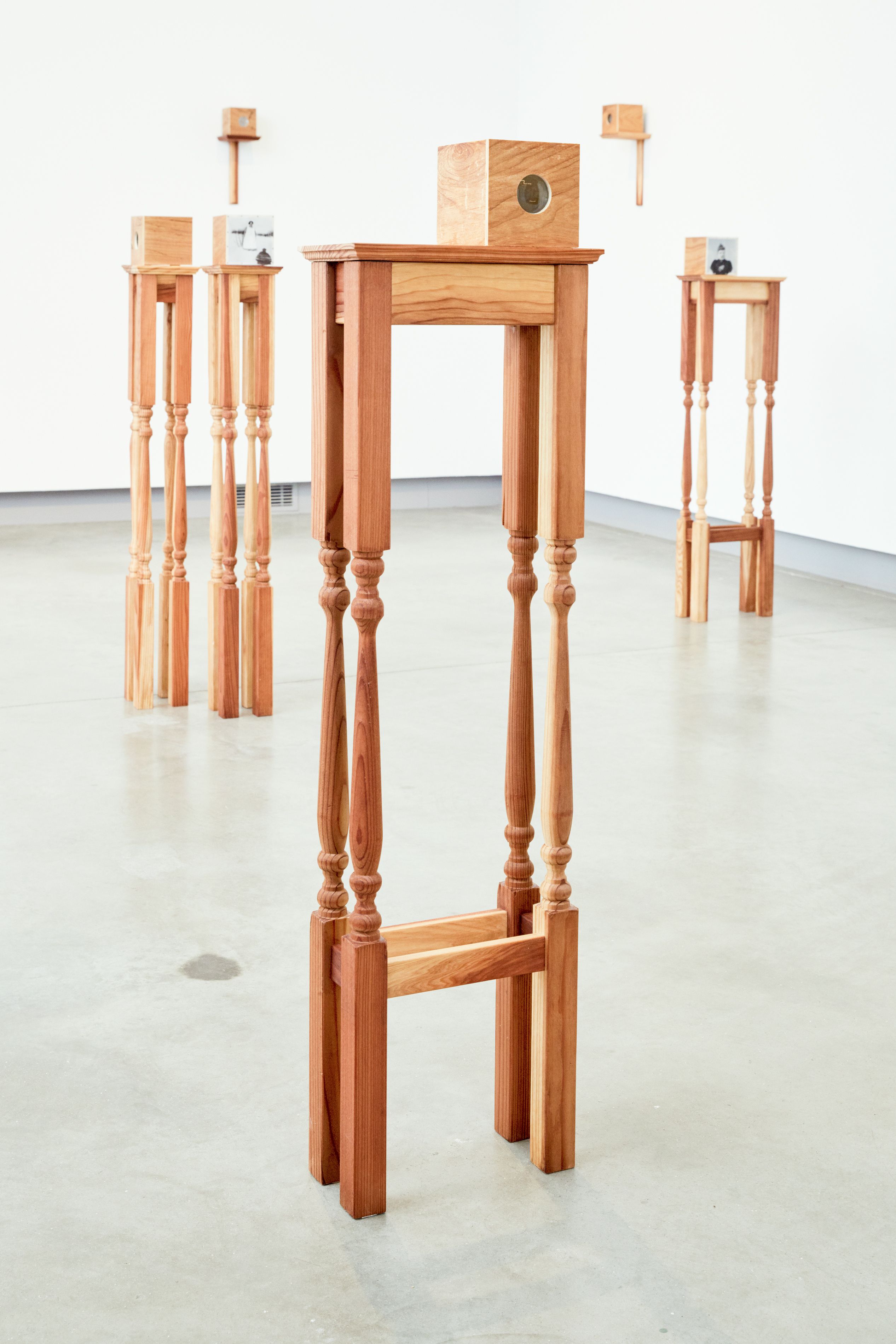
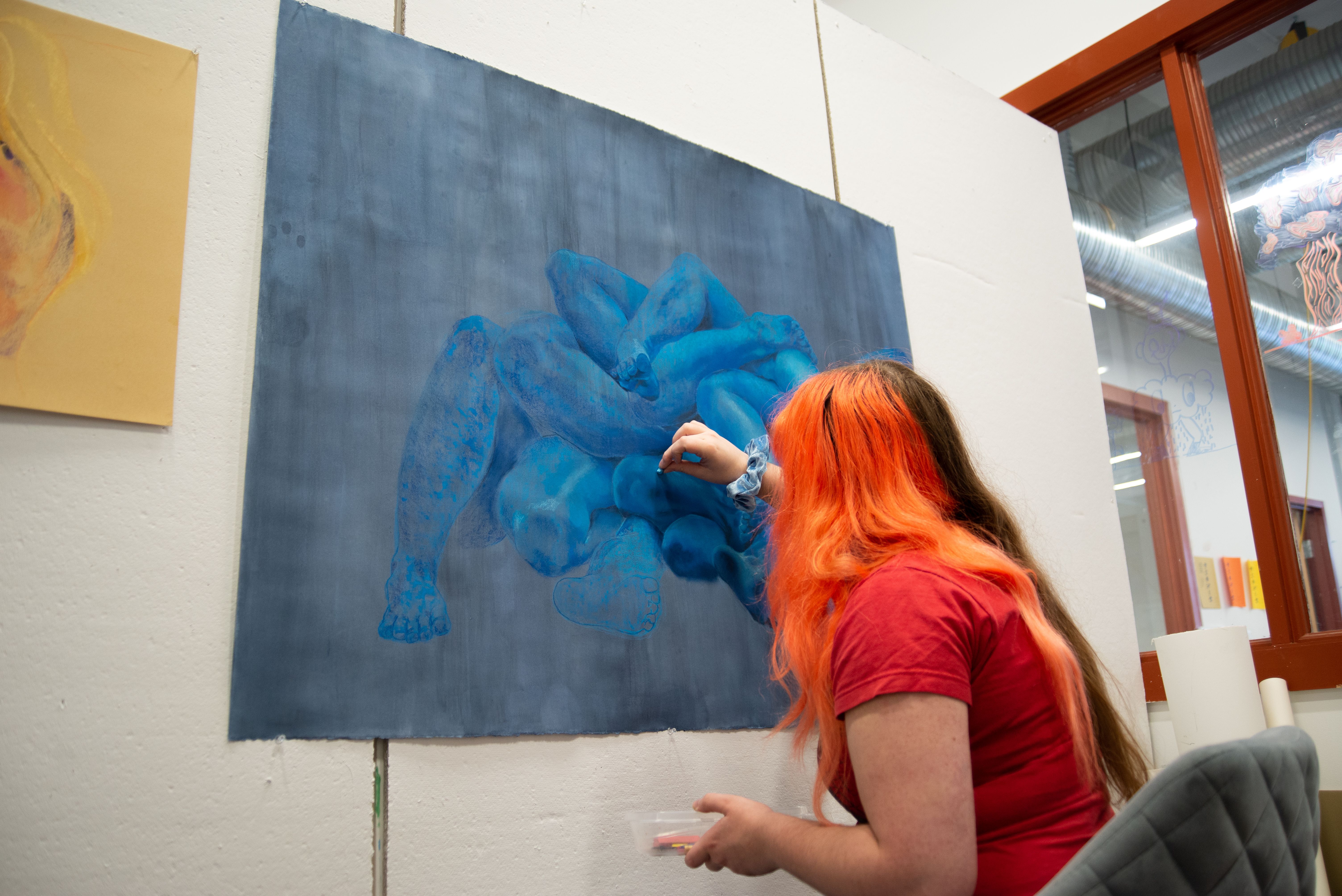

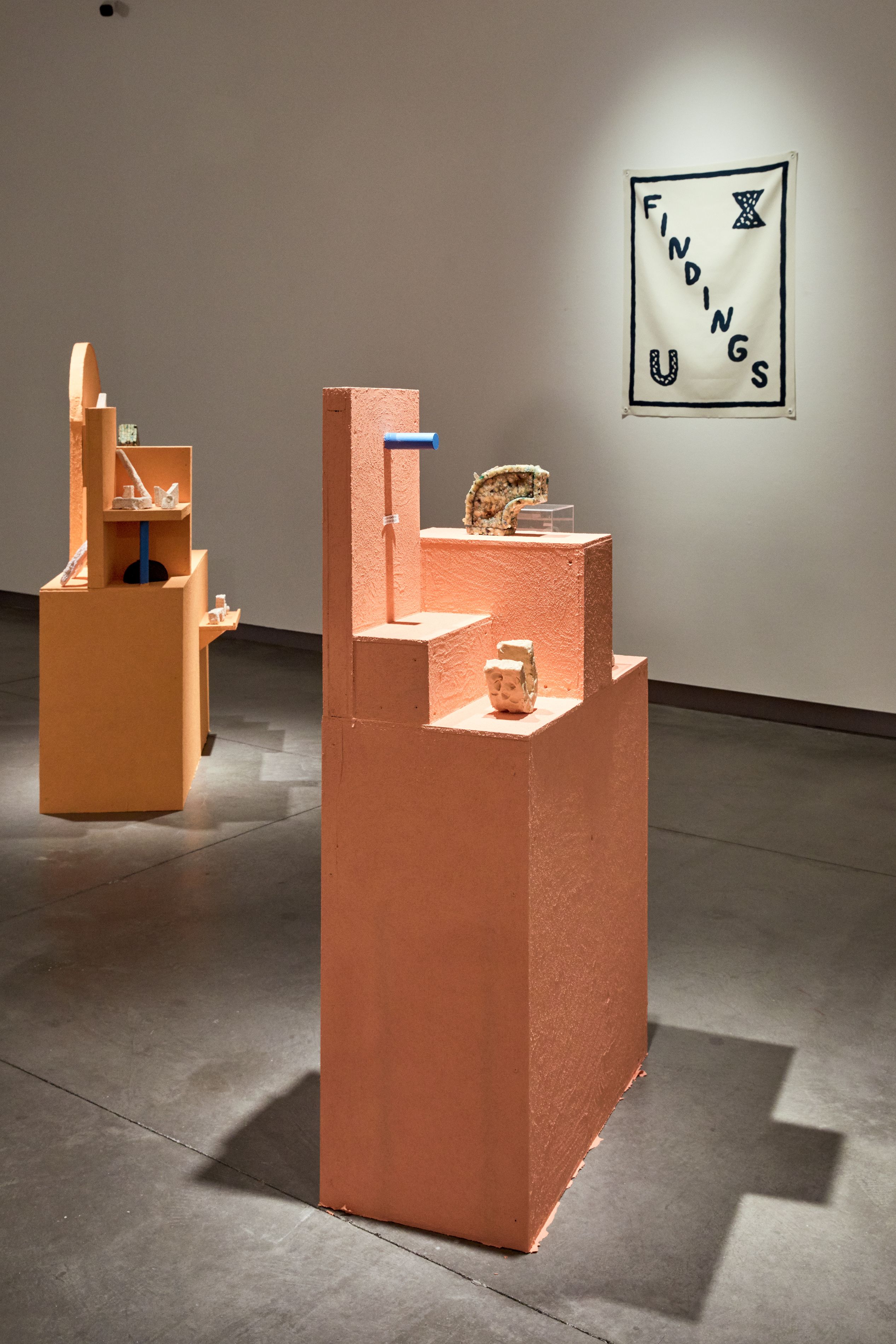
Along with your written thesis, prior to Commencement, you will install an exhibition of your studio thesis project that will remain on view at the Institute of Contemporary Art and virtually. MFA Thesis Exhibitions typically feature work in a variety of media including drawing, video, performance, sculpture, painting, printmaking, virtual reality, fiber, photography, and installation. Seen together, the thesis projects hybridize a range of conceptual themes and material approaches as they relate to visual culture, the political landscape, and contemporary art practice.
Thesis & Exhibition
Upon completion of the program, you will walk away prepared for pursuit of future artistic endeavors and contribution to cultural dialogue. A copy of your thesis project will live on in the Joanne Waxman Library for future artists and designers to explore, learn from and refer to.
Along with your written thesis, prior to Commencement, you will install an exhibition of your studio thesis project that will remain on view at the Institute of Contemporary Art and virtually. MFA Thesis Exhibitions typically feature work in a variety of media including drawing, video, performance, sculpture, painting, printmaking, virtual reality, fiber, photography, and installation. Seen together, the thesis projects hybridize a range of conceptual themes and material approaches as they relate to visual culture, the political landscape, and contemporary art practice.


Thesis & Exhibition 2
Upon completion of the program, you will walk away prepared for pursuit of future artistic endeavors and contribution to cultural dialogue.
A copy of your thesis project will live on in the Joanne Waxman Library for future artists and designers to explore, learn from and refer to.
Along with your written thesis, prior to Commencement, you will install an exhibition of your studio thesis project that will remain on view at the Institute of Contemporary Art and virtually.
MFA Thesis Exhibitions typically feature work in a variety of media including drawing, video, performance, sculpture, painting, printmaking, virtual reality, fiber, photography, and installation.
Seen together, the thesis projects hybridize a range of conceptual themes and material approaches as they relate to visual culture, the political landscape, and contemporary art practice.

Graduate Faculty
Tracey Cockrell, Program Chair of MFA in Studio Art, Adjunct Associate Professor of MFA in Studio Art
Stephen Benenson, Adjunct Assistant Professor of MFA in Studio Art and Foundation
Jeane Cohen, Adjunct Assistant Professor of MFA in Studio Art
Brian Droitcar, Adjunct Assistant Professor of MFA in Studio Art
Annika Early, Adjunct Assistant Professor of MFA in Studio Art
Lauren Fensterstock, Assistant Professor of MFA in Studio Art
Alison Ferris, Adjunct Instructor of MFA in Studio Art
Sophie Hamacher, Assistant Professor of MFA & Academic Studies
Adriane Herman, Professor of the MFA in Studio Art & Printmaking
Rachel Katz, Adjunct Instructor of MFA in Studio Art, Administrative Director of Graduate Programs
Marla McLeod, Adjunct Assistant Professor of MFA in Studio Art
Julie Poitras Santos, Associate Professor of MFA in Studio Art
James Allister Sprang, Adjunct Instructor of MFA in Studio Art
Seth Rogoff, Visiting Assistant Professor of MFA in Studio Art
Christopher Stiegler, Assistant Professor of MFA in Studio Art
Ling-Wen Tsai, Professor of Sculpture and Foundations and MFA in Studio Art
Apply


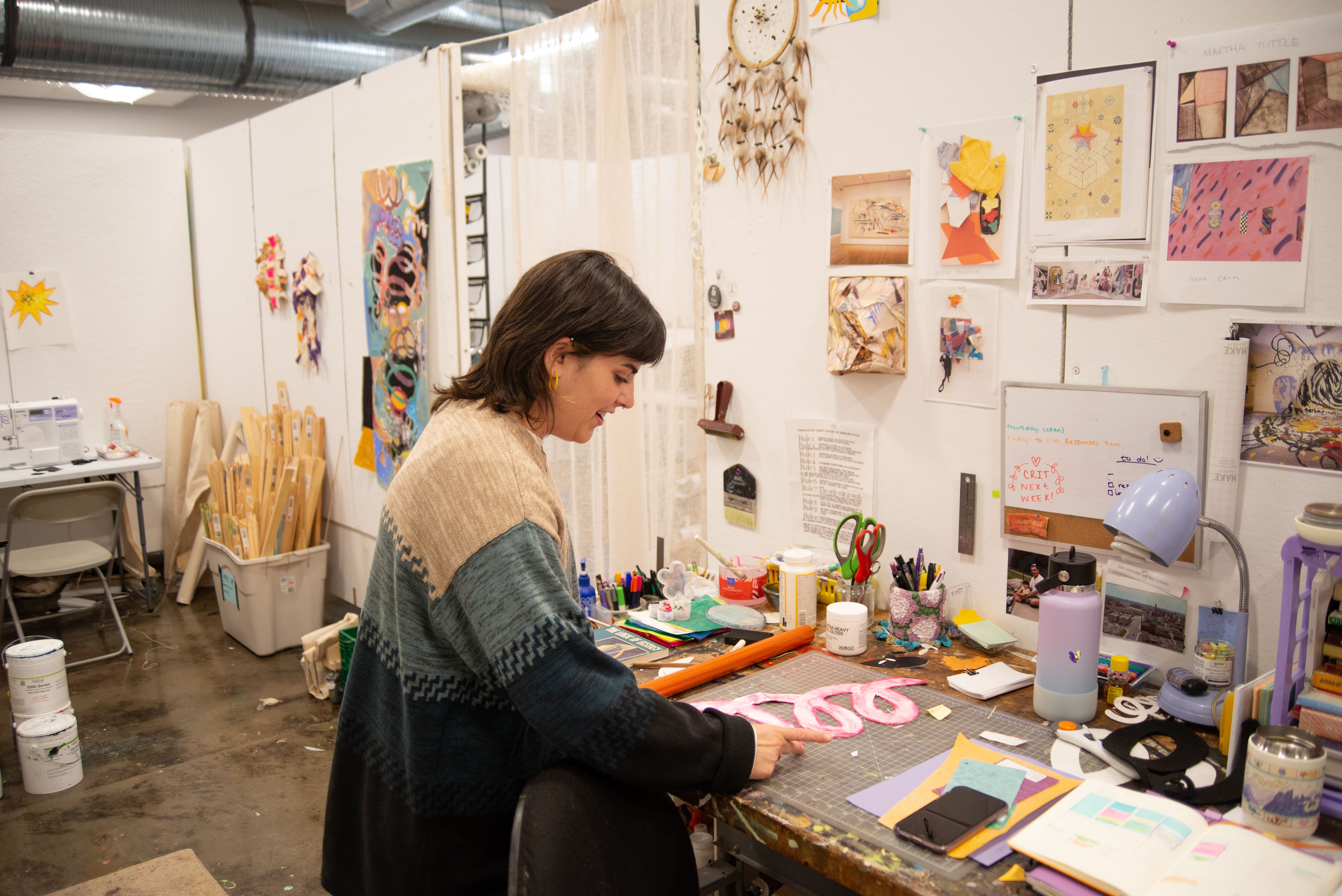



We welcome students to apply by the priority application deadlines stated for each program. Each applicant is considered for merit-based scholarships upon acceptance into the college.